
The Future of AI Travel Photography: Do We Still Need Photographers?
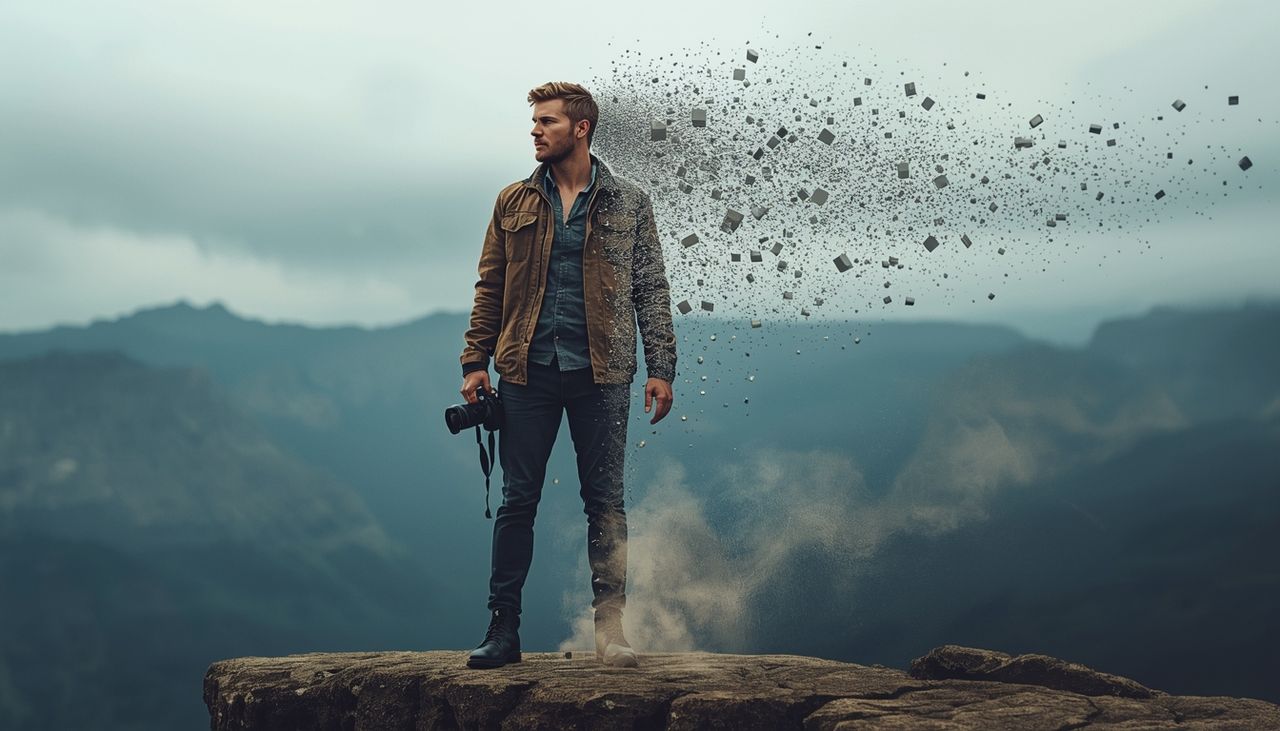
As a computer engineer living in Silicon Valley—the epicenter of today's AI revolution—I've spent years at the forefront of artificial intelligence transforming businesses. I've been part of funding rounds for AI startups, fully convinced that this technology would change how we work: automating repetitive tasks and freeing people to focus on creativity.
What I never imagined was that AI would also reach into my biggest passion—photography. For years I've traveled across more than 40 countries, cameras always by my side, capturing everything from the jagged snowcapped peaks of the Matterhorn in Zermatt to the mystical light beams piercing through Antelope Canyon. Each journey carried with it the weight of early wake-ups, missed connections, sore shoulders from heavy camera bags, and the adrenaline of finally being in the right place at the right time.
Now, for the first time, I'm facing a technology capable of bypassing all of that—delivering not just images but photorealistic versions of scenes I once had to earn through patience and presence. Yet in 2025, here we are. Artificial intelligence has moved from being a background tool into the center of the photography conversation, pushing us to ask: What does it mean to be a travel photographer in a world where images can be generated instantly?
This question is not academic—it cuts to the very heart of why we travel with cameras. For some, AI is a revolution, offering limitless creativity. For others, it's an existential threat, stripping away the authenticity that makes photography meaningful. I find myself standing at this crossroads, wanting to explore both possibilities with honesty, while also asking the uncomfortable question: If AI can generate any image we want, whenever we want, what role is left for travel photography?
What Is AI Travel Photography?
To answer that, I look back at how AI has reshaped the craft through my own journey. Photoshop has been with me for as long as I can remember—an inseparable part of my photography workflow. Over the past three years, I've also leaned heavily on Luminar Neo, which quickly became my most-used editing tool. I still recall being struck by how effortlessly Luminar Neo could swap out a flat, gray sky for a glowing sunset or cleanly remove distractions from a frame. At the time, these features felt like a clever assistant—streamlining the work that followed long trips, but never threatening the essence of photography itself.
Then came the real paradigm shift: generative imagery. Midjourney, DALL·E, and my most frequently used tool today, Leonardo.ai, opened a door I never expected. The first time I typed a simple prompt and watched a photorealistic mountain scene appear—a place that didn't exist anywhere in reality—I felt both awe and unease. This wasn't just enhancement anymore; it was creation.
Suddenly, instead of flying to Iceland to photograph the Breiðamerkurjökull glacier at sunrise, braving cold winds and jet lag, anyone could "generate" that glacier photo from a keyboard. Perfect weather, flawless light, custom composition—no early alarms, no missed connections, no heavy camera bag.
It's hard to overstate how profound this shift feels. A medium once defined by presence—by being there—now competes with a medium defined by imagination. And that tension has already begun to reshape the very meaning of travel photography.
The Controversy That Shook the Industry
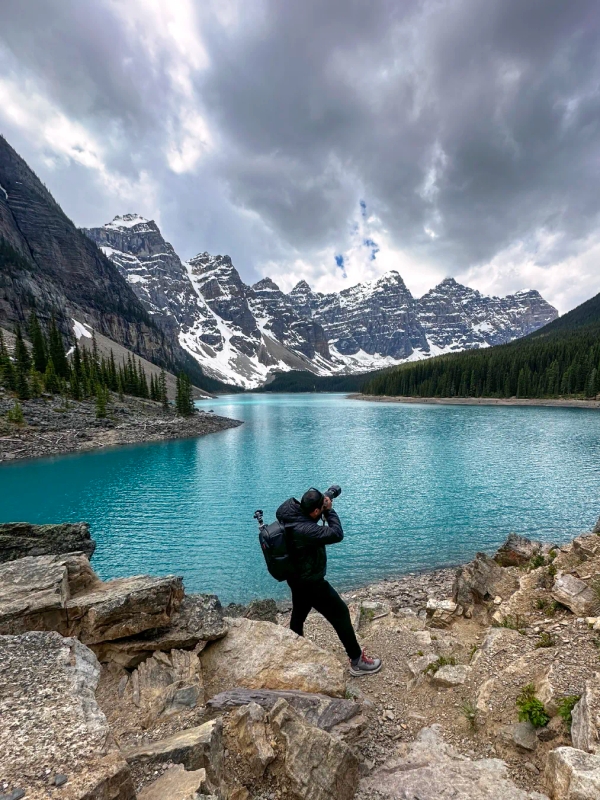
This tension isn't theoretical—it has already played out on the world stage. In 2023, Boris Eldagsen stunned the photography world by winning the Sony World Photography Awards with a haunting black-and-white portrait titled The Electrician. Only after the announcement did he reveal it was created with AI—specifically, OpenAI’s DALL·E 2. Eldagsen developed the image through an iterative process of text prompting, a technique he dubbed “promptography” rather than traditional photography. His rejection of the award and declaration that “AI is not photography” forced competitions and communities to confront an uncomfortable reality: their systems were unprepared for synthetic entries.
The following year, photographer Miles Astray flipped the argument. He submitted an actual flamingo photograph into the 1839 Awards’ Color Photography Contest in the AI category, and the judges awarded him first place—believing it was generated. When he revealed it was real, the irony was undeniable: not only can AI fool us into believing it's real, but reality itself can now be mistaken for AI.
These incidents exposed the confusion we're living in. If AI images can win photography contests, and real photos can win AI contests, the line between the two has all but dissolved. That collapse of definitions is the backdrop for every photographer working today.
Do We Still Need Travel Photographers?
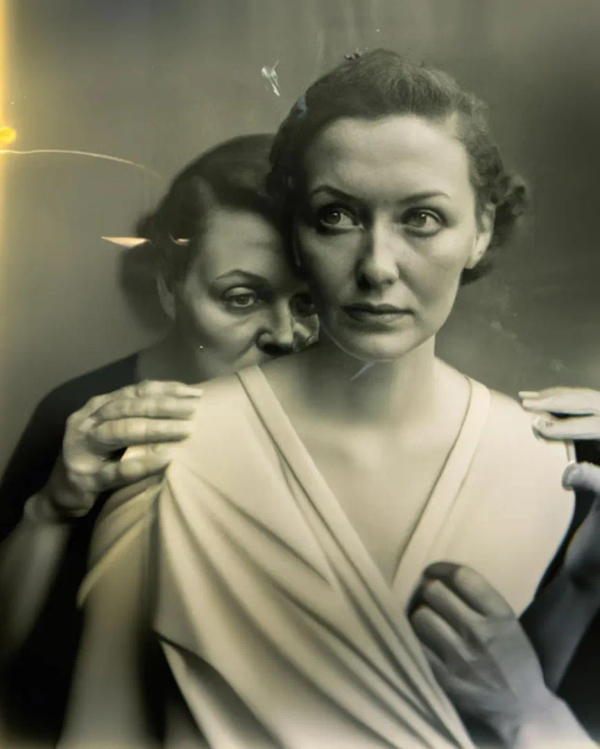
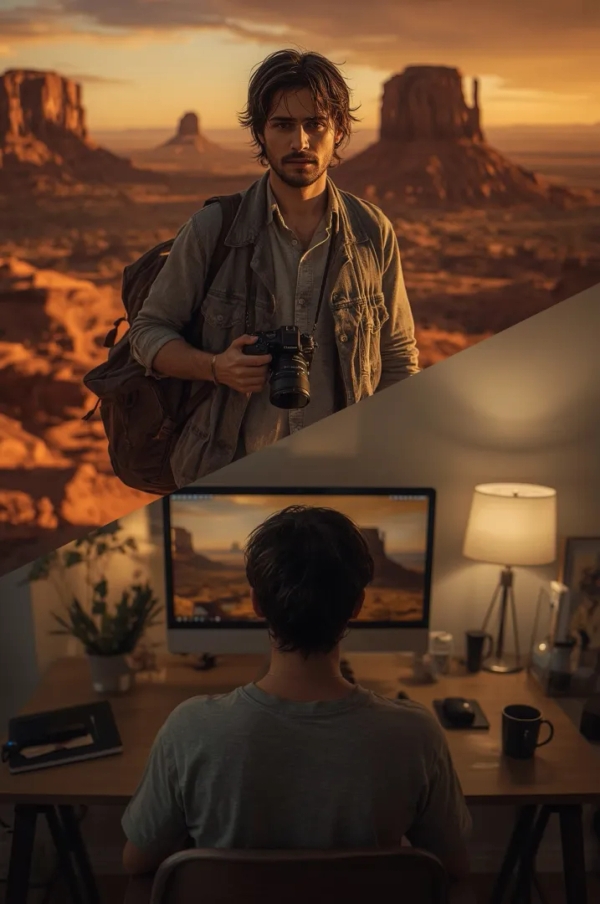
This is the haunting question. If a company can generate a postcard-perfect Monument Valley sunset—complete with dramatic clouds, golden-hour glow, and subtle lens flare—why would they hire me to fly there, rent a car, stay overnight, and wait for the right weather?
For many uses, the truth is they won't. Generic stock photos, the bread and butter of countless travel photographers, are the first casualty. Why license a photo of "Top 10 Beaches in Thailand" when AI can deliver ten variations tailored to a client's exact vision in minutes? Travel companies, magazines, and marketers are already experimenting with replacing their content pipelines with AI.
The implications for the camera industry are also complex. According to the Camera & Imaging Products Association (CIPA)—which tracks shipments from major manufacturers including Canon, Nikon, Sony, Fujifilm, and Panasonic—worldwide camera shipments collapsed by 94% between 2010 and 2023, plummeting from a peak of 121 million units to just 8.6 million. The devastation was most severe in the compact camera segment: fixed-lens camera shipments cratered from 109 million units in 2010 to only 1.7 million in 2023—a staggering 98% decline as smartphones became the default point-and-shoot for casual photographers. But declaring the camera industry dead would miss a crucial nuance: while volume collapsed, the market didn't disappear—it transformed. In 2025, the story isn't as simple as decline. The market is undergoing a bifurcation that mirrors the split happening in photography itself. Mirrorless camera shipments are up more than 20% this year, and compact cameras are showing unexpected signs of resurgence, while DSLR sales continue their steep collapse. The industry data reveals a clear pattern: casual users have largely shifted to smartphones and increasingly to AI-generated imagery, while enthusiasts and professionals continue investing heavily in high-quality interchangeable lens systems.
📊Camera Industry Evolution: From Peak to Transformation
Total Market — Collapse (2010–2023)
Peak Year (2010): 121 million cameras shipped worldwide
2023 Total: 8.6 million total cameras shipped
Overall Change: 94% decline in total global shipments
Market by Camera Type — Performance & Direction
Compact / Fixed-Lens Cameras: Mass-market point-and-shoot segment
Trajectory: 109M (2010) → 1.7M (2023) — 98% decline, mostly replaced by smartphones
DSLR Cameras: Legacy interchangeable-lens systems
Trajectory: Continuing steep year-over-year decline
Mirrorless Cameras: Modern interchangeable-lens systems replacing DSLRs
Trajectory: +20% year-over-year growth
Creator-Focused Compact Cameras (New Niche Use): Travel & vlog-friendly devices
Trajectory: Renewed demand — boosted by vloggers, travel creators & nostalgia appeal
Market Outlook (2025 and beyond)
2025 Shipments: Tracking as strongest year since 2019
Market Size: ~$24–26B (2025 est.)
Growth Forecast: ~5% CAGR projected through 2030
For me, that raises a deeper question. I've spent thousands upgrading cameras and lenses, chasing sharper sensors and better resolution—yet AI now simulates many of those technical qualities without the gear. If casual travelers don't feel the need for cameras, and professionals increasingly have to justify why they do, what happens to the future of travel photography itself?
And yet, I firmly believe this conclusion is too simple. Travel photography has always been about more than the image. It's about the act of seeing, being present, and returning with evidence—not just for others, but for ourselves. And that's where the limits of AI become clearest.
Why AI Cannot Replace Real Travel Photography
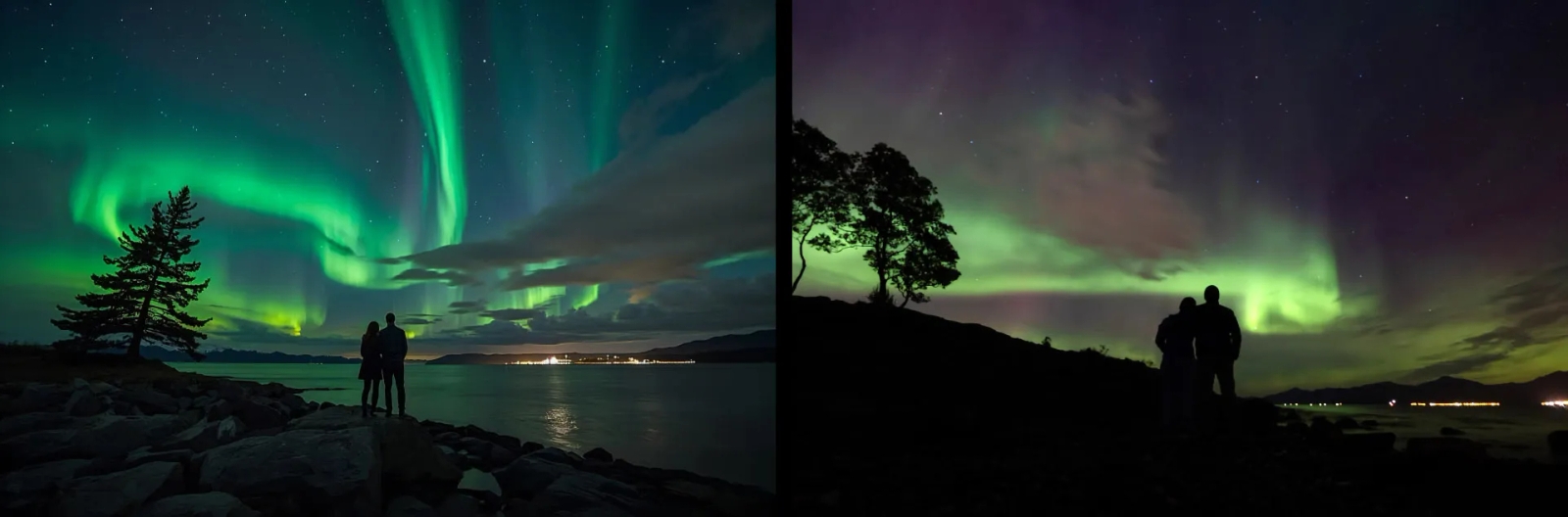
Consider the aurora borealis in Tromsø, Norway. I stood for three nights in freezing cold, battling numb fingers and failing equipment, waiting for that perfect moment when the sky would erupt. On the third night, it finally happened—green ribbons stretched across the cosmos, shifting and intensifying into purple waves. I didn't have a tripod, so I propped my camera on a stone, testing angles while adrenaline coursed through me. The photo I captured wasn't perfect technically, but it contained everything: patience, failure, anticipation, wonder.
AI can generate a flawless aurora in milliseconds. But it cannot generate the bone-deep cold, the frustration of waiting, the relief of finally witnessing it, or the laughter with friends who endured it alongside me. The photo is more than pixels; it is memory and evidence.
This is true everywhere I've traveled. At Yosemite's Glacier Point, I felt the crisp mountain air as the first golden light touched Half Dome. In Kenya, I ate with Maasai families by firelight, their stories illuminating the significance of the land I was photographing. In Zermatt, I froze on Christmas mornings capturing the Matterhorn against an icy sky, surrounded by locals celebrating in their own way. At Antelope Canyon, Navajo guides explained the cultural weight of the rock formations I was so eager to photograph.
AI can simulate appearances. It cannot simulate presence. Travel photography is not only about what the world looks like—it's about what it feels like to stand there.
The Counter-Argument: Do Buyers Care About Experience?
Here's where the argument gets uncomfortable: many buyers don't. A travel company needs a striking image of the Eiffel Tower for their brochure. They don't care if I spent hours in the Paris cold; they care that the picture sells vacations. For them, the origin of the pixels doesn't matter—AI or camera, it's all the same.
This is why it helps to separate photography into two markets:
Utilitarian Images (Commodities): Stock, filler, decorative content. Here, AI dominates. It's cheaper, faster, and infinitely customizable.
Authenticated, Story-Driven Images (Cultural Artifacts): Documentary, editorial, fine art—contexts where truth and credibility matter. Here, human presence is irreplaceable.
Recognizing which category your work serves determines whether experience matters or not.
The Limits of AI: Interpolation vs. Extrapolation
Even when buyers don't demand authenticity, AI has limits. It excels at interpolation—remixing what already exists. Monument Valley sunsets? It can generate thousands, because they exist in abundance in its training set. But extrapolation—documenting the truly new or unexpected—is beyond its reach.
When Ansel Adams redefined how we see Yosemite, or Sebastião Salgado photographed humanity under crisis, they weren't remixing—they were inventing new visual languages. AI lacks intent, cultural sensitivity, and the ability to break rules with purpose.
This matters even commercially. TIME Magazine isn't just buying an image; it's buying perspective, judgment, and the presence of a photographer who knew what mattered.
A Splitting Market
The result is a bifurcated market:
The low end — Stock photos, decorative fillers, generic images: rapidly overtaken by AI.
The high end — Story-driven, authenticated, culturally significant imagery: remaining human, possibly growing more valuable as AI floods the rest.
We've already seen this same split in the camera industry. Casual users have drifted toward smartphones and now even AI, while enthusiasts and professionals continue to invest in mirrorless and other high-quality gear. The tools are splitting in the same way the market for images is splitting: at one end, efficiency and convenience dominate; at the other, authenticity and presence define the value.
This paradox defines our moment. In a world saturated with synthetic perfection, authenticity becomes rare and precious. An unrepeatable sunrise, a fleeting cultural moment, even imperfections like tourists in frame—these become marks of truth.
The Experience Still Matters
The casual stock buyer may never care about my struggles at Moraine Lake or my frozen hands in Norway—and that's a market I've largely conceded to AI. But experience still matters in the markets I've chosen to serve: editorial clients who need credibility, collectors who value provenance, and audiences who follow me because of the stories behind the images. The key is being honest about which market you're in.
Being there isn't just a romantic notion—it's the condition that allows us to capture what cannot be simulated: decisive moments, cultural insights, lived perspectives. The human experience behind the camera is what makes the resulting image irreplaceable.
What Should Photographers Do Now?
Understanding the problem is one thing. Knowing how to respond is another. After wrestling with these questions myself, I've found a few approaches that feel both honest and practical.
Move from "picture-taker" to "story-witness"
The most important shift I've made is moving from being a "picture-taker" to being a "story-witness." AI can generate a thousand versions of Machu Picchu at sunrise, but it cannot document the unexpected moment when a local guide shares the story of his grandfather who helped rediscover the ruins. When I'm building my portfolio now, I ask myself: "Could AI have generated this if given the right prompt?" If the answer is yes, I'm competing in a race to the bottom. If it contains something unexpected, culturally specific, or emotionally authentic, I'm building something defensible.
Invest in storytelling, not just gear
I've also realized that storytelling has become as crucial as the images themselves. I've spent years upgrading to sharper lenses and higher-resolution sensors, but in an AI world, technical perfection is no longer a differentiator—it's table stakes that AI has democratized. What matters now is the narrative surrounding your images. When I share a photograph from Tromsø, I don't just post the aurora—I share the story of three failed nights, the numb fingers, the broken tripod. That context transforms a beautiful image into an artifact of human determination. Your Instagram caption, your blog post, your exhibition statement—these are no longer optional extras. They are proof of presence and perspective.
Make transparency your competitive advantage
Transparency has also become my competitive advantage. In a world where viewers increasingly cannot distinguish real from synthetic, being able to prove you were there becomes valuable. My social media presence now reflects the messy reality of travel photography: the missed shots, the weather failures, the 4 AM wake-ups, the cultural exchanges that led to access. These imperfections aren't weaknesses—they're proof of life, separating me from the polished uniformity of AI output.
Work with AI, not against it
This might seem contradictory after everything I've written about AI as a threat—but the threat and the tool are two sides of the same technology. I've also learned to work with AI rather than against it. I use Luminar AI for sky replacements and distraction removal—tasks that would have taken hours in Photoshop. I experiment with Leonardo.ai to visualize concepts before traveling. But I've drawn clear boundaries: I don't replace the act of being there. I don't submit AI-generated images as photography. I don't claim to have witnessed something I haven't. The key is transparency and knowing where the line between enhancement and generation matters for your context.
Specialize in what's hard to replicate
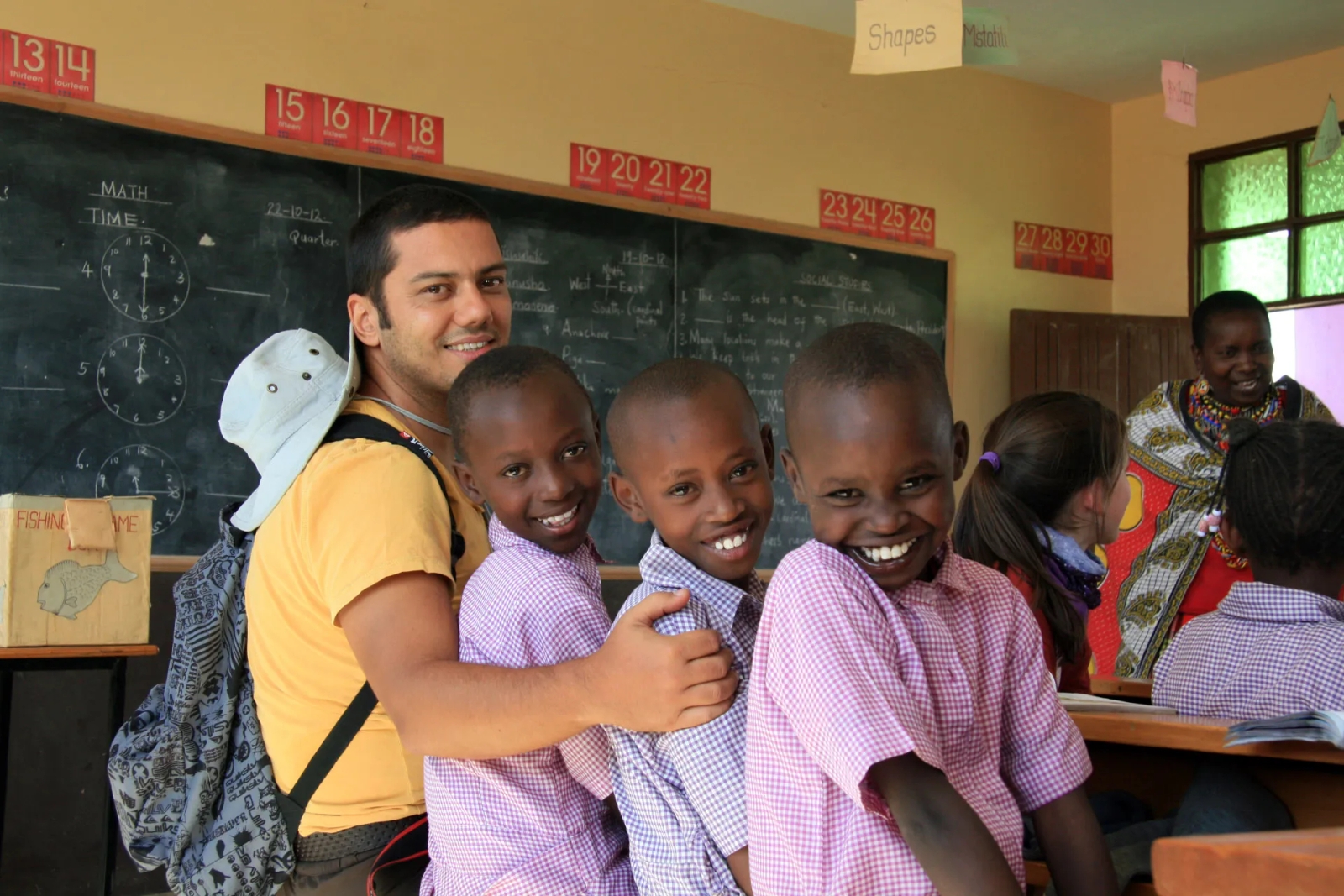
Another strategy I've noticed working is specializing in what's hard to replicate. AI training data is biased toward popular subjects—Monument Valley, the Eiffel Tower, Santorini sunsets appear millions of times in datasets. But I've seen photographers carve out defensible niches in emerging destinations that aren't yet Instagram-famous, subcultures and communities requiring trust and access, extreme environments demanding technical skill and risk, or cultural events and ceremonies that are not widely photographed. I think back to that school in Kenya in 2012—those faces, that specific light, the trust required to be invited into that space. This is nearly impossible for AI to fabricate convincingly because it doesn't exist in sufficient quantity in any dataset.
For emerging photographers: yes, but with different expectations
For those wondering whether to pursue travel photography seriously, my honest answer is yes, but with different expectations than five years ago. Don't enter this field expecting to make a living from stock photography or generic landscapes—that market is largely gone. Instead, position yourself as a visual journalist, cultural documentarian, or experience-driven storyteller. Build an audience that cares about your perspective, not just your images. Start with the gear you have, but invest early in storytelling skills: writing, video, audio, social media presence. Your competitive advantage will be your ability to build trust, gain access, and translate experience into compelling narratives.
The future of travel photography isn't about resisting AI—it's about carving out the space where AI cannot follow. It's about being present, building relationships, developing perspective, and creating work that matters because a human was there to make it. That's the photography I choose to create.
The Bottom Line
So, do we still need photography? My answer is yes—but with a shift in what we value.
If you only care about the final look, AI will serve you better. But if you value human perspective, lived experience, and cultural authenticity, then travel photography remains indispensable.
I still remember visiting a small school in urban Kenya back in 2012. More than a decade later, I can't forget the light in those students' eyes—it remains one of the most meaningful photographs I've ever taken. That kind of memory, that human presence, is something no algorithm can fabricate.
In the end, photography has always been more than pixels. It is about translating the world through human eyes, carrying back the memories, emotions, and stories that no AI can invent. That's what makes it purely human—and that is why, even in an AI-saturated world, travel photography still matters.
That's the kind of photography I choose to pursue. What about you?
Key Takeaways
- AI transforms photography’s purpose, not its soul. Generative tools like Midjourney and Leonardo.ai can simulate images, but they cannot replace the human experience of being there.
- The market is splitting. AI dominates low-end, stock-style imagery, while authentic, story-driven photography grows in cultural and emotional value.
- Presence is irreplaceable. Real travel photography captures emotion, context, and memory—qualities no algorithm can fabricate.
- Photographers must evolve. Move from “picture-taker” to “story-witness,” invest in storytelling and transparency, and work with AI ethically rather than resisting it.
- Authenticity is the new luxury. In a world flooded with perfect AI images, imperfect truth and lived perspective become the rarest and most valuable assets.
In short: AI can generate images, but not meaning. True travel photography remains human because it is rooted in experience.
Frequently Asked Questions (FAQ)
Can AI completely replace travel photographers?
Why should anyone care if an image is AI-generated or captured in real life?
How does the rise of AI affect the camera industry?
What can AI not replicate in photography?
What does the future of travel photography look like in an AI-saturated world?
What should I do as a photographer in response to AI?
Related Articles:
- Top Destinations for Landscape Photography: My Personal Favorites
- Visit My Kenya Safari Gallery
- Explore Banff National Park Photos
- Monument Valley and Antelope Canyon Gallery
What are your thoughts on AI in travel photography? Are you embracing it, resisting it, or somewhere in between? I'd love to hear your perspective in the comments below.
Keep exploring
Travel Guides
Day-by-day photographic guides with maps, gear notes, and the photos shot along the way.
Photo Galleries
1,300+ travel photos from 43 countries, organized by destination with EXIF and GPS.
About the Photographer
Years behind the lens, gear philosophy, and the story behind the portfolio.
Get in Touch
Questions about prints, licensing, or a shoot? Reach out and start a conversation.